The three Welsh clubs taking part in European competition this season have found out their fate after the draw was made earlier this week.
It will be trips over the Irish Sea for The New Saints and Bala Town while Newtown will be making the trip over the North Sea to the Faroe Islands.
Here we will find out about the clubs who all will be travelling to Park Hall to play the away legs next month.
Champions The New Saints have been drawn against NIFL Premiership champions, Linfield F.C. The side from Belfast are managed by Northern Ireland legend David Healy and were probably one of the best unseeded sides in the draw for the first qualifying round for the Champions League. Linfield have also won the NIFL Premiership for a third time in a row.
Linfield have a decent European pedigree and were only denied participation in the 2019-20 UEFA Europa League group stages due to the away goal rule. They narrowly lost out to Qarabag from Azerbaijan. Antony Limbrick’s side will need to watch out for the likes of Jordan Stewart and Jamie Mulgrew, both who possess an eye for goal and are very much an attacking threat.
The first leg will be played at Park Hall on July 5th with the returning leg taking place at Windsor Park a week later. The New Saints will know they’re in for a tough test, however they did earn a memorable European win against Viktora Plzen last season and will hope they can take that sort of form into the games against Linfield. Bodo/Glimt from Norway who had a run to the quarter finals of the inagural UEFA Europe Conference League or KI Klaksvik, champions of the Faroe Islands Premier League await in the second round.
In the first qualifying round of the Europa Conference League, Bala have been drawn to Sligo Rovers who are in the League of Ireland. The main obstacle for Bala will be facing a side who are currently in the middle of their season, something Welsh clubs have struggled to contend with previously. The ‘Bit O’Reds’ finished third in the 2021 League of Ireland and currently sit fifth in 2022. Having just appointed a new manager in John Russell, Sligo will be looking to have that new manager bounce in their games with Bala.
Sligo will be looking to their new players such as Jordan Hamilton and Max Mata to make an impact if they are to win. Bala will look to their usual suspects such as Dave Edwards and Chris Venables. Last season Sligo were defeated in the same round to FH of Iceland and both teams will be looking for an improvement this year. Motherwell will await the winners of this one.
For Newtown who finished third in the JD Cymru Premier, it will be a trip to Torshavn to take on Havnar Bolteflag otherwise known as HB Torshavn. Chris Hughes will make the difficult trip over the North Sea, trips to the Faroe Islands have not been exactly kind to Welsh clubs recently however Newtown will be determined to change that. It took a 7 goal performance from Maccabi Haifa to knock out HB Torshavn out of Europe last season and they have a good pedigree in European football having only missed out on Europe once since 1993.
A team mostly comprised of homegrown players, HB themselves have never faced Welsh opposition in Europe before and Newtown will be a tough test for them with new signing Louis Robles hoping he’ll hit the ground running. A tough test against Spartak Trnava awaits the winners however both will know that a win here will be massive for both of them.
So there you have it, the three clubs from Wales know what awaits them, hopefully their European journeys will carry on into August, from there who knows?
Here’s a quick preview to the European Championships which starts today, in this piece I will be looking at the First Round games and how those could pan out. The event takes place in Oberhausen and could we see a new name on the trophy or will a previous name get their hands on it again.
First game of the day will be Jamie Hughes v Dave Chisnall which promises to be a close game. Both haven’t had the best of seasons and will be looking to kick-start their season with a win here, both are heavy scorers especially Chisnall but their doubles can let them down at times and for me this match will come down to who can hit those doubles.
Next it will be the in-form Krzysztof Ratajski against Steve West, Ratajski will be expecting to win this one but West on his day can be a very dangerous player. During his PDC tenure Ratajski has gone from strength to strength but hasn’t quite reached the heights on TV tournaments, could this be the tournament for him to make a mark on TV?
Two veterans of the stage will be next as Mervyn King takes on Ian White, both have enjoyed good runs on the European Tour in previous events and this promises to be a good game, some say that White is the best player in the PDC never to make a televised final but we all know if Mervyn King turns up…
The Maverick Jose de Sousa takes to the stage next as he takes on Dutch youngster Jeffrey de Zwaan. Jose de Sousa has been in great form this season and picked up his first Euro Tour title at ET3 defeating Michael van Gerwen in the final. Jeffrey de Zwaan has had an indifferent season but did show flashes of his brilliance at the World Grand Prix, de Sousa hasn’t done as well on TV as Jeffrey therefore this one could be a close one.
James Wade takes on Steve Lennon in the next game, Wade reached the quarter finals of ET4 and has been in decent form throughout the year while Lennon hasn’t really kicked on from reaching the World Cup Final in 2019 alongside Willie O’Connor, Wade will be expecting victory however Lennon can be a threat and can hit those high averages.
The in-form and much improved Devon Petersen is up next as he takes on Andy Hamilton, Devon won his first PDC title at ET2 and has grown from strength to strength in 2020 while Hamilton has done a great job over the four events to make the European Championships. Devon is one of the best 180 hitters in the game however his doubles could improve. Andy pushed MVG all the way last week and will be looking to go that one step further against Devon.
It’s the battle of the Smiths next as Michael takes on Ross, both made the latter stages of ET4 with both losing out to the eventual champions Joe Cullen. Ross made the quarters of ET4 which enabled him to qualify for this event while Michael will be looking to finally get over the line in a major TV event. Both can hit ridiculously high averages and hopefully we’ll get the same in this game between the both.
It’s an all Dutch affair next as Danny Noppert takes on Dirk van Duijvenbode, both have had great seasons, Noppert more often than not wins his board at the Pro Tour events and has deep runs in the Euro Tour events. van Duijvenbode made the final at the World Grand Prix after a great run which saw him beat Gary Anderson and Simon Whitlock. It promises to be a great game between two players who have much different styles.
Up next it will be Nathan Aspinall as he takes on Maik Kuivenhoven, Aspinall reached the final of the Premier League and will be looking to have another deep run at a televised event, Kuivenhoven is making his European Championships debut and has performed well on the European Tour this year but faces an uphill task against the in-form Aspinall.
The top seed is next as Joe Cullen takes on Willie O’Connor. Cullen takes his position as first seed after a great victory at ET4 while O’Connor comes in after Glen Durrant had to pull out due to health reasons. Cullen will be looking to kick-on after his victory last week at Riesa while O’Connor will be looking to channel his inner Simon Whitlock who reached the semi-finals at the World Grand Prix after coming in to replace a player who had to pull out through health reasons.
The defending champion is up next as Rob Cross faces a tough game against PDC newcomer Martijn Kleermaker who’s had a decent first season after switching over while Cross has struggled for form this year. Cross has shown glimpses but hasn’t been able to put performances together while Kleermaker has made an impact and will be considering this a winnable game.
Home Favourite Max Hopp is next as he takes on Welshman Jonny Clayton. Hopp has been displaced as German no.1 recently by Gabriel Clemens and is facing a tough game against ‘The Ferret’, who’s as steady as they come and reached the final of ET2, Hopp will have to be on his best if he’s to take out the Welshman.
Michael van Gerwen takes to the stage next as he takes on Lithuanian Darius Labanauskas, they faced off in the World Championships quarter-final where MVG came out on top but he has struggled for form this year and Labanauskas as a consistent standard nower days and will pose a problem for the world no.1. If MVG is on his best he’ll win but often enough this year he’s been nowhere near his best and Labanauskas will fancy his chances of causing an upset.
After the world no.1 takes to the stage, it will be the world no.2 as Gerwyn Price takes on Kim Huybrechts. Price has been in brilliant form this year winning the World Series and World Grand Prix but has lost 3 out of the last 4 on the Euro Tour so Huybrechts might fancy his chances, it will be an uphill task for the Belgian but he’s more than capable. Price will expect victory but will need a good performance to get through.
The World Champion is up next as he takes on another home favourite in Gabriel Clemens. Peter Wright will be in for a tought test against the German no.1 and will have to put in a performance to get the better of Clemens, Wright usually does come up with his A-game on the TV and will fancy a victory agains Clemens however the crowd will be behind him and could spur him on to victory.
The marathon sessiond comes to it’s culmination as Mensur Suljovic takes on Daryl Gurney, Suljovic has improved in the last few weeks and reached the semi-finals of ET4 and made the final of this event a few years ago but was hammered by evenutal champion Michael van Gerwen. Daryl Gurney hasn’t quite put in the performances he would expect this year but did well in the Premier League to avoid relegation, this could be a close game and both will fancy their chances of progressing to the second round.
The second instalment of my series that’s looking at foreign players in Premier League history, the impact they had and how influential these players were back in their home countries. This instalment will look at players from countries such as Australia, Austria and Belgium along with others to see the influence players from those countries have had in the Premier League.
Australia Mark Bosnich certainly had a colourful career, Bosnich played for three Premier League clubs in Aston Villa, Manchester United and Chelsea and was proclaimed to be a ‘terrible professional’ by Sir Alex Ferguson, however Sir Alex did sign the Aussie goalkeeper twice and wanted him to replace Peter Schmeichel so must’ve seen something in him. Bosnich was always in the media spotlight, not always for his footballing prowess though as he was fined £1,000 while at Aston Villa for a Nazi salute aimed at Tottenham Hotspur and his career in the Premier League came to an end after he failed a drugs test while at Chelsea. When talking about Australians in the Premier League, Tim Cahill will always be a name that’ll pop up, a club legend at Everton, the midfielder had a glorious 8 years at Goodison Park under David Moyes, in 2006 his form caught the eye of many and he was one of 50 nominated for the Ballon D’or, Cahill is famed for his tenacity on the pitch and for a man who was relatively short for a footballer was always a threat in the air with fantastic heading ablility. Not all Australians have had success in the Premier League, an example is Brett Holman who arrived at Aston Villa after catching the eye at Dutch side AZ, however after only 27 appearances and not living up to any expectations, Holman was shipped off to the UAE. Ahmad Elrich, David Carney, Jacob Burns and Mile Sterjovski would be also included in Aussies that didn’t quite hit the heights in the Premier League. One that did however is Brett Emerton, who joined Blackburn Rovers after winning the UEFA Cup with Feyenoord, Emerton found his feet quickly in the Premier League and was instrumental in the side under Mark Hughes which saw Rovers qualify for the UEFA Cup themselves. Emerton’s latter years at Ewood Park were hampered with injuries but with over 250 appearnces for Blackburn, he is fondly remembered by the club and it’s fans. Mile Jedinak became a bit of a cult hero during his time at Crystal Palace, winning the club’s player of the year award during their promotion campaign in 2012-13 and was key to Palace retaining their place in the Premier League prior to his departure to Aston Villa in 2016. Unfortunately Jedinak did not play for Villa in the Premier League but he’ll be fondly remembered by the Palace faithful for his contribution during his five years at the club. Being a Leeds United fan, Australians were a big part of my childhood, Harry Kewell came through the Leeds United academy under David O’Leary and was fantastic for the Yorkshire club, a season from Kewell that caught the eye was 1999-00 when he won the PFA young player of the season, was named in the PFA team of the year and was subject to a £25M bid from Inter Milan which Leeds rejected, only to sell for £5M three years later. Kewell was a vital cog to the Leeds team that reached the Champions League semi-final but financial difficulties saw him sold to Liverpool in 2003 where he sadly wasn’t anywhere near the player we saw at Leeds United. Even though he was the first Australian to lift the UEFA Champions League, Kewell never replicated his success at Elland Road during his time at Anfield. Aaron Mooy who’s just left Brighton and Hove Albion to go to China certainly made a success of himself during his time at Huddersfield Town where he stood out as the Terriers stayed up in their first season in the league despite being favourites to go down. Mark Viduka was another Aussie who gave Leeds United fans plenty of joy, he’s mostly remembered in Leeds United colours for his exploits during a game against Liverpool in November 2000 after he joined an elite club of players who’ve scored four goals in a Premier League game. After leaving Leeds, Viduka went on to the North East and continued scoring goals for Middlesbrough before going up to Newcastle United. 51 players from Down Under have graced the Premier League, from the brilliant goals of Viduka to the brilliant own goals of Tony Popovic, the Aussies have certainly made their mark on the league.
Austria 17 Austrians have played in the Premier League, two of them have won it, those being Alex Manninger with Arsenal in 1997-98 and Christian Fuchs with Leicester in 2015-16. Fuchs was a part of that amazing Leicester City side that shocked the world to win the Premier League and was a key factor in the side, providing brilliant displays from the left-back position. He also assisted the goal which saw Jamie Vardy break the record for goals in consecutive games as his no look pass put the forward in for his eleventh consecutive game with a goal. Paul Scharner made an impact during his time in England, most notably with Wigan Athletic, a constant threat from set pieces and had a few colourful haircuts during his 7 years in the Premier League with Wigan and West Bromwich Albion, a tough tackling midfielder who had the personality to go with his questionable haircuts. Marko Arnautovic joined Stoke City for only £2M in 2013 after spells with Werder Bremen and FC Twente, the striker made quite the impact during his time at the Britannia Stadium, as Stoke were able to sell him four years later to West Ham United for £25M, Arnautovic played 59 league games for the Hammers and found the net 21 times but in July 2019, his time at the Premier League came to an end after the lure of Chinese football proved to be too much and he joined Shanghai SIPG bringing to an end an entertaining 6 years in England. Andreas Weimann was touted for big things when he first came on to the scene at Aston Villa, however his time in England has seen him make more impact in the Championship with clubs like Derby County and Bristol City. Football in Austria is a growing game, and with clubs like Red Bull Salzburg and Rapid Vienna, it’s only time before more Austrians will grace the Premier League.
Barbados Not many things would make one want to leave a place like Barbados but I guess the lure of Premier League football would make one take flight from the Caribbean. Gregory Goodrige was the first Bajan to play in the Premier League during the 1995-96 season with QPR, he also found the net in his 7 game spell in the league. Probably the most famous player from Barbados in world football is Emmerson Boyce who played for Crystal Palace and Wigan Athletic. Boyce is a hero in Wigan, after captaining the side to an improbable FA Cup victory in 2013, not may have proudly lifted the FA Cup over their heads at Wembley but you can put Emmerson Boyce in that list. Only four Bajans have played in the Premier League, to the list we add Paul Ifill who played for Sheffield United in 2006-07 and Nick Blackman who represented Blackburn Rovers and Reading between 2011-13, both didn’t make quite make the desired impact but are in a rare list of Bajans who have played in the most watched league in the world.
Belarus Only two Belarusians have represented their country in the Premier League, one is much more familiar than the other. Alexander Hleb was the first and the most famous Belarusian to play in England’s top flight, Hleb first joined Arsenal in 2005 from German side Stuttgart in a deal costing £15M. The midfielder was impressive during his time at the Emirates and caught the eye of Barcelona who had a thing for Arsenal players in the mid to late 2000’s, sadly he didn’t replicate that form at the Nou Camp and was loaned out constantly, one season saw him join Birmingham City for his second Premier League spell, however he couldn’t repeat his success at Arsenal. The second player from the Easter Europe country played for Blackpool during their only season in the top flight, his name is Sergei Kornilenko…. no me neither, the striker played six games for the Tangerines in 2011. Not much to say about him.
Belgium It’s been the superb with the not so good when it comes to Belgians in the Premier League, moments of real inspiration followed moments to forget. The first Belgian to play in the Premier League was as graceful as they come, that man was Phillipe Albert, an attack minded centre-back if there ever is such a thing, Albert was the man who started it. He’s most remembered for his audacious chip in Newcastle’s famous 5-0 win over Manchester United in 1996, any striker in the world would’ve been proud to claim that goal, for it to be a centre back was extraordinary. Michy Batshuayi hasn’t quite hit the heights during his time in England’s top flight but he can claim to have scored a title winning goal, doing so in his first season with Chelsea in 2016-17, not the favoured striker under Antonio Conte but whenever he did strike, he did at vital times. To replace Petr Cech as your club’s first choice goalkeeper, you must have something about you and Thibaut Courtois certainly has. Courtois first joined Chelsea in 2011 and didn’t make his debut for them until 2014, spending three season on loan at Atletico Madrid. When he did return from Madrid, Courtois was fantastic for Chelsea, helping them win the Premier League twice while also winning the Golden Glove once. Courtois once again left West London for Madrid in 2018 but this time it was a permanent deal as he achieved his dream of playing for Real Madrid , but one feels Chelsea still haven’t found his replacement. While Michy Batshuayi and Thibaut Courtois were coups for Chelsea, Kevin De Bruyne was certainly one that got away, De Bruyne joined Chelsea in 2012 from Genk but hardly made an impact, and in 2014 he was shipped off to Wolfsburg. When the midfielder re-joined the league in 2015 with Manchester City, he felt he had a point to prove and he has more than proved his point, during his time in Manchester, De Bruyne has asserted himself as one of the best players in world football, he’s an anchor in the current Manchester City side and has helped the club win back to back Premier League titles while also helping the club to a domestic treble in 2018-19. Marouane Fellaini spent 11 years in the Premier League and wherever David Moyes went, the man who’s famed for his afro hairstyle seemed to follow. Fellaini was a vital cog for Everton during his five years there, if someone was too aggressive for the Premier League then it was Fellaini, earning himself 10 bookings in his first 17 games, but soon he mellowed and became an important player for Everton. A few months after Moyes left for Old Trafford, he brought Fellaini along with him, in what seemed to be a panic buy from Moyes. However Fellaini was important during his time at Old Trafford, whenever United needed a goal or wanted a bit of aggression, Fellaini was the man who was brought on to provide it. Fellaini left United in February 2019 after five and half years, after transferring to Shandong Luneng Taishan of China. Eden Hazard joined Chelsea in 2012, with a lot of pressure on his shoulders but he exceeded everyone’s expectations during his time in the Premier League. Hazard won the Premier League twice during his time at Chelsea but in every season he had in the league, he was up for an individual award for best player such was his quality and consistency at the West London club. Hazard has also come up with moments of pure inspiration while at Chelsea, a magical moment from the winger was his solo goal against Arsenal in the 2016/17 season, which effectively ended Arsenal’s push for the title. Hazard left Chelsea in 2019 to sign for Real Madrid. In his last season at Chelsea, Hazard helped the club win the Europa League and also became only the fourth player in history to record at least 15 goals and 15 assists during a Premier League season. Vincent Kompany left Manchester City in 2019 as a club legend, Kompany arrived from Hamburg in 2008 for £8M and during his time in Manchester proved himself as one of the best defenders the league has ever seen. He was the anchor to Manchester City’s success and proved by essentially winning the title for City n 2018-19, a screamer in the penultimate game against Leicester City was vital in the title race, and not many footballers past or present could do what Kompany did that night. Kompany lifted the Premier League title four times and left in 2019 as a league and club legend. Romelu Lukaku arrived to the Premier League to join Chelsea, during his time at Stamford Bridge he hardly played for the blues and before signing for Everton on a permanent deal in 2014 was on loan at West Bromwich Albion. At Albion, Lukaku joined an elite club of players who have scored a hat-trick against Manchester United, doing so in Sir Alex Ferguson’s final game in charge of United. Lukaku made an instant impact at Everton scoring 15 goals in his first season at Goodison Park before going on to 53 goals in 110 appearances after signing on a permanent deal. In 2017 the striker joined Manchester United in a deal which could reach £90M and was placed under more scrutiny from the media, anytime he didn’t score there were questions asked of him. However he scored 28 Premier League goals in 66 appearances and in 2019 left Manchester United for Italian giants Inter Milan. To put his achievements only 18 players have scored more goals than him in Premier League history, and Lukaku had achieved over 100 goals in the Premier League by the time he was 26. Belgium has produced some of the finest players in Premier League history, from players like Eden Hazard and Kevin De Bruyne to ones that didn’t quite reach the heights such as Adnan Januzaj and Christian Benteke. What could’ve been if Luc Nilis’ career hadn’t been cruelly cut short at Aston Villa due to injury? Who knew that Ritchi De Laet had won the Premier League? 58 Belgians have played in the Premier League and in that cluster, there are some of the best players to have ever played in the league, others haven’t been so successful, but the quality some of them have produced have resulted in some of the league’s most memorable moments.
That’s it for part two, in the next part I’ll be looking at players from countries such as Brazil, Bosnia and Herzegovina and Cameroon among others where we have seen plenty of characters who have made their mark on the Premier League including some that have won the Premier League and some that have scored unforgettable hat-tricks and some who became legends for the teams and the people they played for.
The first part of probably many of a series I will be doing about foreign players who’ve played in the Premier League, many amazing players outside the UK have graced the Premier League and my series here will look at some of those players, the impact they’ve had in the league and what countries they’ve represented, basically bringing my main interests of football and geography together.
The first country we’ll look at is Albania, only two Albanian footballers have graced the Premier League, Lorik Cana was the first , Cana joined Sunderland from Marseille. At Marseille Cana had played in both the Champions League and UEFA Cup and had represented the club in both competitions as captain. Cana joined Sunderland in 2009 and was quickly appointed as club captain, Steve Bruce was certainly aware of the influence he had, however Cana only lasted one season in the North East and moved on from Sunderland after only 35 games. In July 2010, Cana left the Premier League to join Turkish side Galatasaray. Armando Broja was the second Albanian to appear in the Premier League, Broja was born in Slough to Albanian parents, having signed his first professional contract for Chelsea in February 2020, he made his debut in March 2020, coming on as a substitute in a convincing win against Everton. Broja hasn’t made any further appearances for Chelsea in the Premier League but hopefully we’ll see a lot more of him.
16 Algerians have played in the Premier League, but as we all know without doubt Riyad Mahrez is the most successful, having won the league with Leicester City and Manchester City, Mahrez is a truly wonderful player and has represented his country amazingly in the Premier League. Islam Slimani was another Algerian touted for success in the Premier League however after spells with Leicester City and Newcastle United, it did not materialise. Nabil Bentaleb started off with Tottenham Hotspur and during the 2019/20 season represented Newcastle United, Adlene Guedioura has represented four different clubs in the Premier League but his best work came with Nottingham Forest in the Championship. Except for Riyad Mahrez, Algerians have not been successful in the Premier League, but Mahrez does carry the torch very high for Algerians in the Premier League having won the title twice.
Only one Angolan has played in the Premier League and he played for two different teams in Manchester United & Hull City, however Manucho wasn’t a success at either, unfortunately for Manucho, he left the Premier League after one season without making any impact at all.
The next country we’re visiting is Antigua and Barbuda where three players from the Caribbean Island have played in the Premier League, Dexter Blackstock and Mikele Leigertwood were the first to represent the island when playing for Southampton & Crystal Palace respectively in the 2004/05 season. Leigertwood went on to represent Sheffield United and Reading without making much impact, the same story as Moses Ashikodi who played for Watford in the 2006/07 season which got relegated.
Next we go to Argentina, who have possibly produced the best foreign player in Premier League history, of course that would be Sergio Aguero who is currently sitting third it the all time top Premier League goalscorers. Aguero has been wonderful for Manchester City since he arrived from Atletico Madrid in 2011, winning the title four time with City. However, with the good comes the bad, and Argentina have certainly seen players in the league which haven’t quite hit the mark like Aguero has, Santiago Vergini is one who has possibly scored one of the best own goals in the league’s history, check out his superb volley which went in the wrong net when Southampton beat Sunderland 8-0. Much more was expected of Hernan Crespo during his two spells with Chelsea, however things didn’t quite work out as well for him as they did at Inter Milan. A few clubs have had cult heroes who’ve arrived from Argentina, Jonas Gutierrez who is still loved by the fans on Tyneside, he came to the Premier League wearing a Spiderman mask and left it a Newcastle United legend after overcoming testicular cancer to keep the Magpies up on the last day of the season. Another Argentine who made his mark in the North East was Julio Arca who played for Sunderland and Middlesbrough and had an eye for goal from long range. On the other hand, you had players from Argentina who came into the Premier League with a lot of expectation but sadly never lived up to it, we only got to see glimpses of the quality Angel Di Maria possesses, his goal at Leicester City showed what he could do but that moment was rare for a player who had cost so much. Javier Mascherano and Carlos Tevez came into the league under a cloud of confusion after they both signed for West Ham United after agent Kia Joorabchian orchestrated what many thought what was a dodgy deal. However their careers at West Ham United were short lived and both went on to much bigger things after leaving the Hammers. Sir Alex Ferguson didn’t make many bad signings during his tenure at Manchester United, but Juan Sebastian Veron was certainly not one of his best deals, a lot was expected of the tough tackling midfielder however he was shipped off to Chelse after a couple of poor seasons at Old Trafford. You don’t sign many club legends for £5 million, but that’s exactly what Manchester City did when they signed Pablo Zabaleta from Espanyol in 2008, the right back became one of the best defenders in the league during his time at the Etihad Stadium and won the league and it’s mostly forgotten that it was Zabaleta who scored the first goal in that unforgettable 3-2 victory against Queen Park Rangers that clinched City the league title in 2012. Exactly 70 Argentines have played in the Premier League, some have been absolutely brilliant and captured the imagination during their time in England, while others have sadly not, however an Argentine is responsible for the most dramatic moment in the competition’s history, as Martin Tyler said ”Balotelli to Aguero”, the rest is history.
One Armenian has played in the Premier League, and that man played for Manchester United and Arsenal so that shows what Henrikh Mkhitaryan is capable of on his day, sadly his best days came at Borussia Dortmund before he came to the Premier League and the playmaker didn’t fit in, into United’s nor Arsenal’s sides. However he is capable of moments of genius on his day, such as that scorpion kick he scored during his time at Manchester United, an amazing moment of improvisation and quality from the Armenian, sadly that goal didn’t live long in the memory as Olivier Giroud usurped it with his own scorpion kick a few weeks later. Sadly Mkhitaryan’s best didn’t come in the Premier League leaving fans of the both teams he played for, wondering what could’ve been.
That concludes the first part of my series looking at the impact foreign players have had in the Premier League, in the next part I’ll be looking at players from Australia, Austria and Belgium and a few other countries to discuss the impact they had during their time in the Premier League.
As an avid Welsh football fan, I like to see football across the country develop in any form, whether it’s on a National stage or at grassroots level. Lately many clubs have been celebrating their achievements of being granted the appropriate licenses so their club can move on to the next level. The criteria for the license depends on many things and some clubs have the resources to be able to make those changes to meet the criteria and move on to the next level, unfortunately that’s not the story for every club. In this piece, I will question why should a team be denied the chance to move on to the next level if they’ve done their talking on the pitch.
The two teams promoted to the JD Cymru Premier for the 2020/21 season didn’t win their respective leagues in 2019/20, Flint Town United and Haverfordwest County will be welcomed additions to the top tier in Wales, but one does feel sorry for Prestatyn Town and Swansea University who did their talking on the pitch and were declared champions of their leagues. However both will be staying in the second tier for next season, if that’s through unadequate facilities or gaps in paperwork, unfortunately I don’t have the answer for why both were denied their licenses for the top tier. I’ve always been under the impression that in football, the talking should be done on the pitch, major trophies are won on the pitch and are not won because a club has better facilities than another. Flint Town United and Haverfordwest County have done incredible work to make sure they met the criteria for a Tier 1 license and have also provided us with great entertainment on the pitch. Both clubs have been busy in the transfer market to make sure they will be competitive in a tough league. Unfortunately the story is not the same for a number of clubs who have missed out on relevant licenses but have been fantastic on the pitch.
An example is STM Sports, a club who reached the final of the Nathaniel MG Cup this season, a wonderful achievement for a club who were in the second tier, but have been demoted to Tier 3 after they didn’t meet the relevant criteria, STM Sports finished fifth in the JD Cymru South having played 20 games. However the FAW deemed that STM Sports did not meet the relevant criteria for Tier 2, months earlier the club were representing the FAW in a National final. On the pitch STM Sports have been brilliant, unfortunately they do not have the resources to be able to meet Tier 2 status and due to that fact and not due to the fact they haven’t been good enough on the pitch, they’ve been relegated.
Last week it was clubs who had applied for Tier 3 status who learned their fates for the upcoming season, many clubs had gone to put extraordinary work to make sure that their grounds and facilities would meet the criteria. A club that’s nearby to me is Y Felinheli, Champions of Division 2 of the Welsh Alliance last season, where a group of volunteers have worked their socks off so that they could meet the criteria for Tier 3 and deservedly Y Felinheli were granted Tier 3 status. But even without the work at their ground, I’d still question why Y Felinheli weren’t granted Tier 3 status because they won the relevant title last season to go up to Tier 3 by merit of what they had done on it. On the flip side, Greenfield FC were rejected a Tier 3 license a club who had made major strides on the pitch in the last few seasons. Greenfield won the Welsh Alliance Division 2 title in 2015/16 and in 2018 were in the final of the FAW Trophy. Greenfield had established themselves in the third tier of Welsh football and always made Alpha Park a tough visit, as JD Cymru Premier new boys Flint Town United would know after their Welsh Cup clash last season. Greenfield finished 6th in the 2019/20 Welsh Alliance Division 1 but were unfortunately denied a Tier 3 license for the 2020/21 season, a huge shame for the club. Obviously during the pandemic, making sure grounds are of an adequate standard is one hell of a task. As the pandemic hampered work on grounds such as Greenfield’s, clubs can appeal for an extension so that they can meet the criteria. Appeals must be in by 6th of July for a final inspection on the 7th, which is a baffling decision by the FAW only to give clubs 24 hours to make the changes, a near enough impossible task.
Llanberis FC, a club who’ve been in the third tier for nigh on 30 years will not be playing third tier football next season, through absolutley no fault of their own. On the pitch they were solid enough last season finishing 10th in a very competitive Welsh Alliance Division 1. However, the FAW criteria for a Tier 3 license have somewhat hampered a club like Llanberis who play at Ffordd Padarn. At one side of the ground, you have a bypass, on the other side you have houses, it’s impossible for Llanberis to make their pitch the adequate size to meet the standards, the club have everything else, a stand, good pitch, adequate changing rooms, basically everything you’d ever need from your local village football team which is exactly what Llanberis are. A club with an ethos of developing young players from the area while playing in a competitive environment, if there’s a ceiling on how far a club like Llanberis can go, then what would be the motivation for players to sign for a club like them? You could win every game of the season, have a striker that scores 30+ goals but won’t win promotion because of something that’s out of the players’ hands.
The FAW have let some clubs achieve relevant status by means of ground share, while this is a short-term fix, how is it fair on clubs who’ve tried to work on their own grounds but have missed out on licenses? What would stop a club such as Greenfield asking Flint Town United or Holywell for a ground share as those grounds would obviously be of an adequate standard. A club such as Llanrug United could ask Caernarfon Town for a share of The Oval, the request probably would be refused but if it wasn’t, a club like Llanrug United could achieve a Tier 3 status because of another club’s hard work which is something that a few clubs have benefited from in the recent announcements.
My opinion is that football is not a political point scoring system, which in a way it has become here in Wales. If the system needs changing that’s fine, but change in a way that motivates clubs to play football. Clubs like Prestatyn Town, Swansea University, STM Sports, Bodedern Athletic, and Greenfield just to name a few have been left disappointed after failing in their bids to gain the relevant criteria for their leagues. Prestatyn Town and Swansea University should be celebrating their promotions to the JD Cymru Premier because they won their respective leagues. Football is a game that’s played on the pitch and not the boardrooms, fans get excited by what they see on the pitch not if one club has a better stand than another. I’d rather a 6 goal thriller between Llanystumdwy and Llanerchymedd than a drab 0-0 draw between The New Saints and Connah’s Quay at Park Hall. I’ve always been of the opinion that if you’re good enough on the pitch, then you should reap the rewards of that and not because you as a club have better facilities that another which is essentially what is happening for many clubs in Wales at the moment. I understand that many people will agree with the new criteria that the FAW have provided for certain tiers in the Welsh system. Why should football clubs be denied their place in a league because of something that’s off the pitch? It’s a game that’s played on the pitch, always has been, always will be. Managers don’t lose their jobs because of facilities, they lose it because of what’s happening on the pitch, because of the football that’s played on it. Prestatyn Town and Swansea University have achieved title success on the pitch and are being denied promotion because of factors off it.
4 years ago today, Chris Coleman picked his squad for the European Championships in France, little did we know the adventure that Wales would go on in their first major competition for 58 years, so where are the 23 players that were chosen to represent their country now?
Wayne Hennessey – Hennessey is still with Crystal Palace, the club he was with in 2016 and his still his country’s no.1 goalkeeper. Hennessey was instrumental in Wales’ qualification for the 2016 and 2020 tournament, however minutes for his club have now dropped dramatically due to the emergence of Vicente Guaita. Having earned 89 caps so far, Hennessey is in with a great shout of usurping Chris Gunter’s record as Wales’ most capped player.
Owain Fon Williams – Playing at Inverness Caledonian Thistle at the time of his call-up, after moving to the Scottish Highlands from Tranmere Rovers, he’s spent a large part of his international career as a back-up keeper, winning only 1 cap in a 2015 friendly against Netherlands. The Dyffryn Nantlle born keeper had a spell in USA in 2018 with Indy Eleven before returning to Scotland with Hamilton Academical in June 2019, Williams joined Dunfermline Athletic on a loan basis in January 2020.
Danny Ward – The third of three North Walians that made the trip to France for the tournament, Ward was with Liverpool at the time, having returned from a loan spell with Aberdeen, having signed for Liverpool in 2012, he rarely played for the club, going out on loan numerous times, instrumental in Huddersfield Town’s promotion to the Premier League in 2016-17. Ward is currently with Premier League club Leicester City in a back-up role to Kasper Schmeichel.
Chris Gunter – One of the most reliable members of the 2016 squad, Gunter made his Wales debut in 2007 in his first season of senior football, during the 2016 competition Gunter played every minute as Wales reached the semi-finals. Gunter was with Reading in 2016 and is still every present for them to this day, having had his career at the Royals resurrected after the appointment of Mark Bowen as manager in 2019.
Neil Taylor – Taylor was at Swansea City when called up for the Euros, having signed for the Swans in 2010 from fellow Welsh club Wrexham, Coleman’s formation set-up meant that Taylor and former Swansea team mate Ben Davies could play in the same side having previously battled for the left-back place. Taylor scored in the 3-0 victory over Russia at Toulouse during the Championships and is currently with Premier League side Aston Villa after helping them win promotion via the play-offs for the 2019-20 season.
Ben Davies – Having made his debut for Wales in 2012, while at Swansea City, Davies joined Tottenham Hotspur in 2014 and is ever present with the North London club. At the Championships in 2016, Davies rarely looked out of position as he played in an unfamiliar position of centre-back, usually playing at left-back, Chris Coleman found a way to involve Davies and Neil Taylor in the same starting XI. Davies has made 52 caps for his country and signed a new 5-year contract with Tottenham in 2019.
James Chester – At West Bromwich Albion at the time of the 2016 competition, Chester had played most of the 2015-16 season in an unfamiliar role as right-back under fellow Welshman Tony Pulis, but that didn’t hinder his form at the Championships as he played in all 6 games in his usal position of centre back. Chester left the Baggies shortly after the competiton to sign for Aston Villa. Since his debut for Wales in 2014, Chester has earned 35 caps and is currently on a loan spell with Championship side Stoke City.
Ashley Williams – Captain fantastic for the European Championships as he led Wales to the semi-finals in their first ever apperance at the competition. Williams scored the equaliser in the quarter final, a thumping header beating Thibaut Courtois as Wales beat Belgium 3-1. Williams was at Swansea City at the time of the tournament before moving on to Everton. Williams has won 86 caps for his country after making his debut in 2008, Williams is currently with Championship club Bristol City as they look to win promotion to the Premier League.
Jazz Richards – Is in a rare group of players having played for Swansea City and Cardiff City, but hasn’t fulfilled the early promise that he showed during his time with the Swans. Richards was with Fulham at the time of his call-up but soon after the competition, he signed for Cardiff and was part of the squad that won promotion to the Premier League for the 2018-19 season. Still at Cardiff, Richards made his full international debut in a friendly loss to Mexico in 2012 and has won 14 caps to date.
James Collins – The ‘Ginger Pele’ was Wales’ second oldest player at the Championships behind David Vaughan at the age of 32, his experience was invaluable in helping Wales reach the semi-finals. Collins was with West Ham United at the time of the 2016 Championships and was a cult hero with The Hammers, currently he is a free agent after being released from a short-term contract with Ipswich Town at the end of the 2018-19 season following their relegation from the Championship. Collins retired from international football in 2017 after winning 51 caps and scoring three times for Wales.
Joe Allen – Without Joe Allen, it would’ve been difficult for Wales to get out of the group stages let alone reach the last four. A vital part of the side under Chris Coleman, Allen has been proclaimed the ‘Welsh Pirlo’ due to his composure and vision on the ball. Allen made his debut for Wales in 2009 in a friendly against Estonia. At Liverpool at the time of the Championships, Allen moved on to Stoke City after returning from France. Still at Stoke, it’s a bit of a shock to Welsh fans that Allen is still playing at Championship level. A blessing in disguise for Allen was the postponement of the 2020 European Championships as he had sustained an injury and was ruled out.
Andy King – King came into the tournament off one of the greatest shocks in football history as a part of the Leicester City side that won the 2015-16 Premier League title. Mainly King made substitute appearances at the 2016 European Championships and is a cool-headed operator on the ball and knows how to run the game out while his side are leading. King is still with Leicester but recent years have seen him out on loan with Swansea City, Derby County and Rangers, the midfielder has won 50 caps and scored two goals for his country.
Aaron Ramsey – Along with Joe Allen, Ramsey was named in the team of the tournament for the 2016 European Championships and finished as the joint-highest assist provider along with Eden Hazard. Ramsey was at Arsenal at the time of the tournament and was fantastic during his spell with the North Londoners, however wasn’t appreciated by the fans of the club. Ramsey can play anywhere in the midfield and can adapt his game accordingly to support those behind him or in front of him and has been described by Arsene Wenger as a complete midfielder. In February 2019, Ramsey signed a contract with Italian giants Juventus for the 2019-20 season and Welsh football fans will hope he can have the same impact as fellow Welsh international John Charles at Turin. After making his debut in 2008, Ramsey has won 60 caps and scored 16 goals for Wales.
David Edwards – A reliable part of Coleman’s previous squads and was with Championship club Wolverhampton Wandereres at the time of his call-up. Edwards had spent most of his international career coming off the bench due to the fantastic talents of midfielders competing for the same spots but has always been a great asset to the Welsh squad during his career and capable of changing the game. During his international career, he won 43 caps and scored 3 goals and retired from international football in 2018. Currently Edwards is in his second spell with League One Club Shrewsbury Town.
Joe Ledley – Many thought that Ledley wouldn’t be a part of the squad for the 2016 European Championships, but the midfielder with the help of oxygen chambers made a miracilous recovery from a broken leg to make the squad. The engine of the midfield, Ledley’s work rate and fitness levels means he was a constant nuisance for opponents and was instrumental in Wales’ run to the last four. Ledley was with Premier League side Crystal Palace in 2016 and Premier League experience was vital for Wales during the tournament. Ledley is currently with Australian side Newcastle Jets having signed for them in February 2020 after spells with Championship clubs Derby County and Charlton Athletic.
Jonny Williams – Williams’ career has constantly been dogged by injuries and has been full of loan spells, however when the midfielder is fit, he’s a wonderful player. Affectionally called ‘Joniesta’ by the fans for his ability on the ball and the fact he rarely loses it, Williams was at MK Dons when called up by Coleman for the 2016 tournament, and after numerous loan spells away from Crystal Palace, he left the club for Championship club Charlton Athletic for the 2019-20 season. Williams has won 21 caps for Wales since his debut in 2013 against Scotland David Vaughan – An unused substitue throughout the competition but always done the job when asked of him for his country, Vaughan was with Nottingham Forest at the time of his call up, and retired shortly after Wales were eliminated from the competition. Vaughan had himself an interesting career which included a spell with Spanish club Real Sociedad but is currently without a club after lastly playing for Notts County in 2019.
Hal Robson-Kanu – Thomas Henry Alex Robson-Kanu will forever be etched in the minds of Welsh football fans for his exploits at Euro 2016, he scored the winner in the first group game against Slovakia but it’s his goal in Lille the reason why he will be remembered for years to come. Scoring a goal like he did is great, to do it in what was possibly the most important game in your country’s history is what dreams are made of. A fantastic Cruyff turn on the edge of the box, making a mockery of the Belgian defence before slotting the ball past Thibaut Courtois put Wales 2-1 up and into dreamland. Robson-Kanu didn’t even have a club at the time of Euro 2016, currently he’s with Championship club West Bromwich Albion, hoping to be a Premier League player for the 2020/21 season. Robson-Kanu announced his retirement from international football in 2018 but reversed that decision in 2020, currently he’s won 44 caps and scored 5 goals for his country.
Gareth Bale – Undoubtedly one of the finest players of his generation, and can produce moments of magic at any time. He became the world’s most expensive player when signing for Real Madrid in 2013 and has certainly lived up to that expectation during his time at the Spanish capital. Became the first Welsh player since Terry Medwin to score at a major tournament at Euro 2016 after netting in the first game against Slovakia. Bale also scored in the group games against England and Russia, he also became the first player to score two free-kicks at an European Championships since Germany’s Thomas Hasler in 1992. On 22 March 2018, Bale became Wales’ all time top-goalscorer after scoring his 29th international goal against China. Bale is currently still at Real Madrid but scrutiny from the Spanish media has meant that playing for the galacticos is not at the forefront of his mind.
George Williams – The youngest party of the 23 that went to France, and probably the most unexpected, a Gillingham player at the time of his call-up, Williams didn’t play at all during the competition. His career has mostly been spent with League one and League two clubs, has won 7 international caps to date and is currently at League two club Forest Green Rovers.
David Cotterill – During his international career, Cotterill won 24 caps, a total that should’ve been more for a player of his quality. At Championship club Birmingham City when called up to the squad for the European Championships and had been a constant fixture at Championship level for many years. Retired from international football in 2018 after winning his 24 caps while scoring twice for his country, currently at JD Cymru Premier side Barry Town United after coming out of retirement in 2020.
Sam Vokes – Sent Wales fans into dreamland after scoring the third goal against Belgium, a fantastic header which sealed a 3-1 win and Wales’ place in the semi-finals. Was at Burnley when called up for the Championships and often made an impact off the bench for his country, if Wales wanted a goal, Vokes was the man to send on, if it was winning a header or being a nuisance in the box, Vokes was the man for the job. Currently at Championship side Stoke City after 7 years at Burnley, Vokes has won 64 caps and scored 11 goals for Wales but has seen his time on the pitch for Wales recently limited due to the emergence of Kieffer Moore.
Simon Church – Church emerged as a an exciting talent during his time at Reading but sadly never reached the heights that he seemed destined for. Was on loan at Aberdeen four years ago and shortly after the European Championships, he moved to Dutch side Roda JC Kerkade, two short spells at Scunthorpe United and Plymouth Argyle followed. Church played in two games at Euro 2016, in May 2018 Church announced his retirement from football at the relatively young age of 29. Church won 38 caps for his country and scored 3 goals which included a penalty in a 1-1 draw against Northern Ireland in March 2016.
Bangor 1876 had an incredible first season of their history, winning the Gwynedd League title at an absolute canter and incredibly had a points per game ratio of 3 winning all of their 16 league games and were only knocked out of cup competitions by Llanrwst United who are two tiers above them and Ruthin Town who are three tiers above 1876. When it was announced that Bangor 1876 were going to take part in the 2019/20 Gwynedd League, there was an air of excitement in Bangor, this wasn’t your typical Gwynedd League team, obviously with players such as Les Davies and Michael Johnston who have both won the Welsh Premier League, 1876 were firm favourites to win the league. Clubs in the Gwynedd League eagerly awaited the visit of Bangor 1876, knowing there was money to be made at the gate with the following the club generated, one of those games I was there myself at the home village of former Prime Minister David Lloyd George, Llanystumdwy. The 1876 fans filled the pub and filled the ground and saw their side earn a comfortable victory. Though some victories were one-sided, the league had clubs who believed they could beat Bangor 1876 and win the title and weren’t at all scared of the prospect of playing a team with such talent. In this piece I will detail five games in which 1876 were tested to the maximum but came out victors.
Bangor 1876 3-1 Nefyn United – 24/08/19 This game was the first real test for 1876, welcoming a Nefyn United side who had positioned themselves as one of the best footballing sides in the league and the fans were excited by the prospect of seeing a close game between the sides. Nefyn were also up for the game and wanted to shock 1876 with a quick start and that’s exactly what they did, opening the scoring after 14 minutes after a goal from Carl Jones, it was the first time Bangor 1876 had been behind in a league game. However that deficit lasted a matter of seconds as 1876 went searching for the equaliser straight from the kick off and earned themselves a penalty which was cooly converted by Jamie Petrie. 15 minutes later, 1876 found themselves in the lead, Petrie again netting to make it 2-1, after going in-front 1876 would usually go goal crazy but Nefyn were too good to let that happen and would go searching themselves for their own equaliser putting 1876 under immense pressure. Bangor 1876 went into half-time with a 2-1 lead and in the 67th minute emphasized that lead after Les Davies netted to make it 3-1. The game finished in a victory for Bangor 1876 but this was their first real test as a Gwynedd League side and Nefyn would’ve thought themselves unlucky not to leave with at least a point. This game showed that Bangor 1876 could withstand a stern test and showed a different character to their usual goal-scoring exploits, an great performance and a great win from the Treborth side.
Talysarn Celts 2-4 Bangor 1876 – 21/09/19 Having been a spectator at this game, the game itself was remembered as much for what happened off the pitch as what happened on it. What happened off it, I shall not mention but what we saw on it was a fantastic game of football in the glorious Dyffryn Nantlle sunshine. Talysarn took an early lead, striker Glyn Tomos netting in the 9th minute, usually Bangor would strike back immediately but Celts held out and were fantastic in their game plan of high work rate and breaking at any chance they got, Jac Jones a standout in their performance. Bangor 1876 broke through just after the half-hour mark, Dylan Williams netting from close range after great set-up work by Les Davies. Talysarn were hampered by the loss of centre back Gavin Davies who had to go off through injury having kept Les Davies relatively quiet through the game. After Davies’ departure, Les saw himself with more space and was through on goal before being taken down just outside the box, Les dusted himself down and rifled the free-kick into the bottom corner and 1876 went into half-time with a 2-1 lead. 1876 came out with a purpose for the second stanza and extended their lead shortly after, Jamie Petrie netting from the penalty spot in the 59th minute, Petrie doubled his tally two minutes later, scoring from close range after a lovely flowing move from the away side. Bangor were relatively comfortable with their three goal lead but Celts held out from being embarrassed and 15 minutes from time Gerwyn Williams netted for the home side and maybe an unlikely comeback was on, but Bangor 1876 defended sternly for the reminder of the game to make sure the bumper crowd didn’t have memories of an historic upset.
Trearddur Bay Bulls 1-2 Bangor 1876 07/12/19 By this point of the season, it was clear that both these sides would finish as the top two of the table but in what order was uncertain, many felt that this game would be the one to decide it. Unfortunately the elements had more of an effect on the game than what good football did. A swirling wind and rain was unwelcomed by both sides, those who did attend felt the conditions might have favoured the home side, who would have certainly seen conditions of the like before. However, it was 1876 who took the game by the scruff of the neck and opened the scoring after 21 minutes, Dylan Summer-Jones netting to give the visitors the lead. Bangor knew beforehand that this wasn’t going to be the usual canter to victory but in this game, they showed a defensive aspect of their game that hadn’t needed to be asked for much in previous matches. Just before half-time, Summers-Jones doubled his and Bangor 1876’s tally to make it 2-0 going into the break. The second stanza was somewhat uneventful, with both sides struggling to get a foothold as the rain and wind worsened, not much chances were created and it seemed a 2-0 victory for the visitors was in the bag. However, 10 minutes from the final whistle, Trearddur Bay found themselves with a way back into the game after they were awarded a penalty. Iolo Jones stepped up and converted and the spectators were in for a frantic last 10 minutes as Trearddur Bay gave everything to find that equaliser, 1876 held out for a valuable three points and had struck a crucial blow in the title race.
Bangor 1876 4-0 Waunfawr 06/01/2020 Usually a 4-0 victory would not make it onto one of these lists but Waunfawr are one of those clubs who would always show up against the stronger teams in the division so this was always going to be a tough game for 1876. Bangor came into the game only 48 hours after an away victory at Glantraeth and were weary of the challenge that faced them, but earned themselves a comfortable win against the Beganifs. Cian Williams started the scoring in the ninth minute and goals by Les Davies and Dylan Summers-Jones followed and 1876 went into half-time with a 3-0 lead. The second half was quiet on the goals front as Waunfawr threatned the 1876 goal but to no avail, Sion Parry finished the scoring after netting a minute from time to seal the win, but what was more impressive about this victory was the way 1876 dispatched one of the league’s toughest teams with ease.
Menai Bridge 1-5 Bangor 1876 25/01/2020 Yes, this wasn’t quite a league game in fact it was the second round of the Bob Owen Memorial Shield but it was the first local derby in Bangor 1876’s short history. A quick walk over the Menai Bridge saw Bangor visit the Tigers, as the Tigers were current Gwynedd League champions, everyone knew that this was going to be a tough game and we all love a proper local derby. Menai Bridge took an early lead in this one scoring through Dale Owens after 12 minutes, and a mini shock was on, however it only took five minutes for Bangor to find the leveller through Cian Williams. An even game proceeded with both teams creating chances but also being wasteful in front of goal, five minutes before half-time Dylan Summers-Jones struck to put 1876 in the lead and it was a sickener for the home side who felt they had played the better up to that point. Bangor went into the break 2-1 up. Two minutes after the restart, Les Davies scored to make it 3-1 and Bangor 1876 were in the driving seat, the Tigers had given their all to make it a competitive local derby but unfortunately ran out of steam. Two more goals followed from Bangor through Les Davies and Jamie Petrie and in the end it was a comfortable victory, but this victory showed Bangor’s league credentials to beat the current league champions in this fashion was a real statement of intent.
Bangor 1876 are worthy Gwynedd League champions and have won 16 out of 16 league games, some have been more comfortable than others but they’ve been a breath of fresh air to the Welsh football system and one thinks that this Gwynedd League success is the first of many.
Bobby Gould is most famous for leading the Crazy Gang of Wimbledon to one of the most famous upsets in FA Cup history. Gould managed the side that won the 1988 FA Cup after Lawrie Sanchez’s header secured a 1-0 victory against the superstars of Liverpool. By Welsh fans he is also remembered for a disastrous spell in charge of the National side between 1995-99 which included numerous fall-outs with players and tactics that quite frankly didn’t make a lot of sense to the fans nor to the players on the pitch.
Bobby Gould was appointed Wales manager in June 1995 ahead of Ron Atkinson after taking over from Mike Smith. In 1993, Welsh football was in a good place, boosted with the considerable talents of Ryan Giggs, Mark Hughes and Ian Rush and Wales were 24th in the FIFA world rankings but ultimately failed to qualify for the 1994 World Cup but finished with an admirable points total in a tough group. Following the failure to qualify, Terry Yorath stepped down and was replaced by John Toshack. This where things quickly unraveled, Toshack lasted 41 days in charge, resigning after his first game having booed off after a 3-1 defeat to Norway. Mike Smith took the reigns for 10 games and then Bobby Gould stepped into the driving seat. Having led the Crazy Gang to that famous FA Cup win, it seemed Gould attempted to transfer the crazy to Wales but forgot to bring the element of success with him.
Gould’s absurd tactics were evident immediately arranging a friendly 48 hours before an Euro 96 qualifier against Germany. In a move that would’ve sent most club managers potty, Gould played most of his starting 11 against a Wales Press XI. The press team were beaten 3-0 before Wales performed admirably against the eventual Euro 96 champions losing 2-1. After the game against Germany, things got worse for Wales as they finished bottom of their group which contained minnows such as Albania and Moldova in a campaign which included a thumping 5-0 defeat versus Georgia. During some games in the qualifying process for Euro 96, Gould took a lot of flak from the press after dropping Ian Rush, again Gould thought the players’ performances were suffering because of too much pressure off the media. In an attempt to take the pressure off the players, Gould took the bizarre step of holding a training camp in a prison. Gould took his players to Usk prison and proclaimed it was because the media were making things hard for him, so he wanted to make things hard for them.
The qualifying group for the 1998 World Cup saw Wales in an incredibly tough group with Netherlands, Belgium and Turkey. Results for Gould were deemed good enough to allow him to continue for the World Cup campaign. The decision to let Gould to continue proved to be an enormous mistake and it was emphasised in May 1996, when Gould himself went on to organise an alternative friendly to the usual international friendly before the start of a international qualifying campaign. Gould’s Wales played against Leyton Orient who had just finished 21st in what is now League 2, essentially the 89th ranked side in the Football League at the time. As Gould wanted to keep his players match fit, the side featured Ryan Giggs, Gary Speed, Neville Southall, Dean Saunders and Chris Coleman. Again Gould’s tactis again came into question as Coleman usually a centre-back spent the game on the right wing. Wales had taken the lead through John Robinson, but Orient equalised before sealing an unlikely win 10 minutes from the end after A Trialist scored the winner. Neville Southall had to do the post-match interviews as Gould had rushed off at full-time to watch his son play at Wembley in a play-off final. Wales played another club side days later, and it was Cwmbran Town who had the honour of facing the national side and to Wales’ credit they did win 6-1. As a measure of the opposition’s quality, consider the identity of the scorer of Wales’ sixth goal, as Gould himself had brought himself on for Gary Speed and popped up to nod in a Ryan Giggs’ cross. While Gould himself could be satisfied with his day’s work, however the downfall of Welsh football since that fateful Paul Bodin penalty miss in the final World Cup 1994 qualifier against Romania was clear for all to see. Gould’s reign stumbled into chaos, as the 1998 World Cup qualifying campaign was an atrocious one from Wales’ point of view. Bar two straight-forwards victories against San Marino, Wales could only muster a point from the other six fixtures a goalless draw at home to Turkey and were hammered 7-1 against Netherlands at Amsterdam.
The end for Gould arrived as the draw for the qualifiers for Euro 2000 was announced, Wales were included in a group with Italy, Denmark, Switzerland and Belarus and Gould obviously didn’t care much for squad morale as he openly said Wales would not qualify for the tournament, to his credit he was right. His tactics once again were called into question during the attempt to qualify, Mark Hughes played in midfield, Ryan Giggs played as a striker and Dean Saunders was dropped because Gould thought that Giggs could not play behind a front two. A public fallout with Robbie Savage also didn’t help as Gould sent Savage home having seen the midfielder’s act of throwing a replica Paolo Maldini shirt in the bin as disrespectful. Some would’ve praised the manager for showing that sort of discipline, well if they had the time they would as Savage was re-instated to the squad 24 hours later.The return fixture against Italians proved to be his last in charge of Wales. The fixture ended in a thumping 4-0 loss at the hands of the Italians, Gould letting the players know his disappointment in them as he labelled them a ”disgrace” at half-time. After the game he resigned live on the BBC after the game ending a turbulent spell in charge of the Welsh national team. Gould left Wales a lowly 103rd in the FIFA world rankings, having slid an astonishing 79 places during his spell in charge.
Bobby Gould had been a successful manager, winning the FA Cup with Wimbledon and also keeping Coventry City, who had been tipped for relegation in the Premier League in the 1992-93 season, making shrewd signings such as Micky Quinn, but in international terms, things went south very quickly for him. His spell in Wales is best remembered for the continuous clashes with players, Nathan Blake had refused to play for his country after accusing Gould of a racist remark at training. He had refused to choose John Hartson for the national side, ignoring his stellar performances and goals for his club, citing that he was overweight and unfit, however when he did choose Hartson, Gould engaged in wrestling bouts with the forward. Vinnie Jones said that players couldn’t wait to go back to their clubs while on international duty and in his final match in charge Gould, allegedly instructed Mark Hughes not to tackle the Italians ”as they’ll only dive”. In his autobiography, Ryan Giggs recalled that the players mentally punched the air in delight on hearing of his resignation.
Gould’s spell in charge of Wales is not something that is fondly remembered by Welsh football fans, the football was rarely in the news and the downfall in the team since Terry Yorath’s spell in charge was alarming, constant clashing with players clearly affected the team’s morale and it showed on the pitch with defeat after defeat following. The bizarre tactics might have worked for the Crazy Gang of Wimbledon, but for Wales they failed miserably and the football was disastrous. Today Wales are in a crest of a wave and have reached consecutive European Championships, and are lucky that Ryan Giggs didn’t take any tips when playing under the ”tactican” that is Bobby Gould.
William John Charles was born in Swansea on December 27 1931 and during his 25 year footballing career, the giant Welshman became one of the best players ever to grace the field. His brother Melvyn also became a professional footballer, though Melvyn did write an autobiography called ‘In the Shadow of a Giant’, Melvyn scored 117 goals in 379 league appearances and notched 6 goals in 31 international caps for Wales, so the title of his autobiography tells us all we need about the impact that his elder brother had on the footballing world.
John Charles’ career started at the youth system with Swansea Town who later became Swansea City, and left school at 14 years of age to join the ground-staff at Vetch Field. Unfortunately for him he was never given the opportunity to play for the first-team at Swansea due to his age, he only represented the club once at reserve level. While playing for a local youth club called Gendros in Swansea, he was scouted by Leeds United and given a trial in September 1948. At the subsequent trial, he impressed officials and duly signed for Leeds United at the age of 17 and relocated to Yorkshire. Charles’ best position was not known at the time so then manager of Leeds, Franklin Charles Buckley played him in a variety of positions which included right back, centre-half and left-half for the reserve side. Charles’ made his first-team debut for Leeds in a friendly against Queen of the South on 19th April, 1949. Charles’ was tasked with marking Scotland forward Billy Houliston who ten days previously at Wembley had ran the England defence ragged as the Scots won 3-1. The score at Elland Road was 0-0 and after the game Houliston said 17-year-old Charles was ”the best centre half I’ve ever played against”.
John Charles made his league debut for Leeds against Blackburn Rovers also in April, 1949, playing at centre-half. From 1950-52 he was away on National Service with the 12th Royal Lancers at Carlisle. The army allowed him to turn out for Leeds but also saw to it that he played for them, and in 1952 Charles skippered his side to the Army Cup, during this period he had operations to repair cartilages in both knees. He returned to the Leeds side in November 1951, playing at centre-forward and centre-half, due to his excellent play at both positions, it prompted debate as to where he should play in the team, but he remained at centre-half until the 1952-53 season. In October 1952, manager Franklin Charles Buckley decided to switch him to a centre-forward and Charles was an instant impact up top with 11 goals in 6 games. Throughout the 1952-53 season, Charles scored 27 league goals which was over a third of the total goals scored by Leeds in that season. The 1953-54 season under new manager Raich Carter saw more of the same from Charles in the centre-forward position, scoring an incredible 43 league goals from 42 games, Leeds again finished 10th in the Second Division, the same as the 1952-53 season. That position would’ve been much lower had it not been for Charles as Leeds only scored 89 goals during the 1953-54 season with nearly half of them coming from the extraordinary Welshman.
The 1954-55 season was a transitional one for Leeds United, as Charles himself longed for First Division football and submitted a transfer request, Leeds signed Harold Brook from Sheffield United for a fee of £600, who was 32 at the time and signed more as an insurance policy if Charles did leave for pastures new. There was interest in Charles from Arsenal and Cardiff City, but Leeds United’s aim was to gain promotion to the First Division. Chairman Sam Bolton was unequivocal saying ”Our aim is to get to the First Division and we cannot do that by selling our star player”. In the end swayed by strength of support from above, Charles backed down and withdrew his request for a move. Though Charles’ goalscoring form wasn’t what it was the previous two seasons, the team significantly improved and finished fourth in the Second Division. Raich Carter decided to move Charles back to defence hence the effect on his goal-scoring record, one would wonder if he had played up front, would Leeds have won promotion?. Leeds would’ve been promoted as champions had they beaten Rotherham United at Elland Road but it wasn’t to be and they had to endure another season in the Second Division. One thing was certain for Raich Carter’s side, something had clicked and they would be a promotion push coming for the next season.
In 1955, Charles was appointed club captain and it seemed this new sense of responsibility had inspired him as he was in scintillating form as he continued as the anchor of the Leeds side. For the 1955-56 season, he started in the defence along emerging youngster Jack Charlton, Charles’ job was to nurture and teach Charlton and in the first eight games together, the side only conceded three goals. Charlton himself said that Charles had taught him a lot on how to play as an effective centre-half, Charlton’s confidence in the position impressed Raich Carter so much that he was able to move Charles back to his preferred position of centre-forward. In the 1955-56 season, he scored 29 goals in 42 league games, what was remarkable about that stat is that Charles played until October in the defence and went on to score 28 goals in 28 games. Leeds ended that season with eight wins in their last nine matches and through Charles’ goals and Charlton’s fierceness in defence, the club finally gained that elusive promotion to the First Division after nine years in the wilderness. Charles was instrumental in the club’s growth from a mid-table Second Division to a promotion winning one.
The 1956-57 season saw John Charles’ gain his wish of First Division football, but what was more important to him that he did with Leeds United. Leeds started the season fantastically, in second place by mid September, with Charles demonstrating that he could handle the First Division with ease after nine goals in the opening nine games. The football Leeds were playing was thrilling but in as September 1956 came to a conclusion, something happened which was to have a huge impact on the club and change course of events for the next few years, an event which eventually led to John Charles’ departure from Leeds United. During the early hours of September 18, 1956 a fire caught hold of Elland Road and completely gutted the West Stand, the blaze consumed the entire structure and unfortunately nothing could be saved which included the dressing rooms, press box, club records and directors’ box. After the club forked out £180,000 for a new stand, finances were tight and in a sorry state, and eventually forced the club to part with their prized asset. Leeds had always said they would not part with Charles but after the financial troubles due to the fire, it became inevitable that Charles would had to be sold. Charles’ goal-scoring form did not suffer as he finished the season with 39 goals, clubs throughout Europe had been chasing Charles in the Second Division but after seeing what he could do at the top level, the chasing intensified.
As Charles represented Wales in the final game of the 1957 Home International Championships, he was scrutinised by one of the wealthiest men in Europe, Signor Umberto Agnelli was a member of the wealthy family that owned the Fiat car company and was the main man behind the running of Juventus Football Club, he flew into the UK to cast a final eye over the man they’d been mulling over for two years. News circulated around Europe that The Old Lady were interested in the Welshman, this led to rumours that Real Madrid, Inter Milan and other clubs who could afford what was bound to be a massive fee. On April 10, 1957 things came to a head as Leeds announced that Charles will not be leaving for another English club, and Agnelli finally got his man as Juventus agreed a huge £65,000, a British record at the time. A fee which significantly boosted the Leeds United bank balance, although it left them missing possible the world’s most talented player. Charles played his last match for Leeds United against Sunderland and in typical Charles fashion scored two goals. Charles left Leeds United after 8 years and 157 league goals in 297 appearances.
Charles made his debut for the Italians on 8 September, 1957 against Hellas Verona and scored the winner in a 3-2 victory, goals followed in the following two weeks and in his first three games for Juventus, Charles had scored the winner in each of them. Goals wasn’t a problem for the Welshman at Turin as in his first season he scored 28 goals and was voted player of the season as Juve won the Serie A title. The goals continued for him in his second season however Juventus weren’t able to retain the Scudetto as he scored 19 goals, however they did win the 1958-59 Coppa Italia. More success followed in the 1959-60 season as Juve won a domestic trouble, with Coppa dell’Amicizia following the Serie A and Coppa Italia. Charles was a part of ‘The Holy Trident’ at Turin along with Enrique Omar Sivori and Giampiero Boniperti who were a prolific partnership during the Welshman’s time in Italy. During his five years at Turin, Charles scored 108 league goals in 155 appearances, winning the Serie A three times and the Italian cup twice. He also place third in the 1959 Ballon d’Or and in his time at Turin, he earned the nickname ”il Gigante Buono’ (The Gentle Giant) due to his size and fair play.
In 1962 John Charles returned to Leeds after Don Revie paid a club record £53,000 to bring him back to Yorkshire. The excitement of his return allowed Leeds United to raise admission fees for the 1962-63 season such was the adaulation of the fans for him. His second spell was less successful as he struggled to adjust to life and football back in Britain. After 11 games and three goals for Leeds, a shadow of his former self, Charles was back on his travels to Italy as he was sold to AS Roma for £70,000. Unfortunately he couldn’t replicate the success of his spell at Turin with Juventus as after only a year in the Italian capital, Charles was on the move again. He left AS Roma to join Cardiff City in 1963 and stayed in the Welsh capital until 1966, scoring 18 league goals for the Bluebirds. His spell with Cardiff marked the end of his league career. In 1966, he joined Hereford United and in 1967 became player-manager of the Southern League side. Even though he was 35 years old at the time his quality was still there to see as in the 1966-67 season he scored 37 goals for the Bulls, in his five years at Hereford he scored 80 League goals before he in 1972 he went on to manage Merthyr Tydfil where he stayed until 1974 which marked the end of his playing career.
For his country, Charles made 38 international appearances and scored 15 goals and also represented Wales at the 1958 FIFA World Cup, the only time all four home nations have qualified for the same World Cup. Wales made it through the group stage, but unfortunately for Charles he sustained an injury against Hungary which meant he missed the quarter-final against Brazil, which Wales lost, a result that might have been different had he been available. Following his retirement, Charles stayed close to the Leeds area running a pub close the club’s stadium. He was made a CBE in 2001 ”for services to Association Football”. He continued to attend Leeds games at Elland Road, and in 2002 he was made a vice-president of the Football Association of Wales, and in 2003 was granted the freedom of the city of Swansea. Also in 2002 he was an inaugural inductee to the English Football Hall of Fame. In January 2004 he suffered a heart attack before passing away on February 21 2004.
Following his death, Leeds United renamed the West Stand of Elland Road, ”The John Charles Stand” in his honour, the South Leeds Stadium used by the club for it’s reserve games was renamed ”The John Charles Stadium and a street close to Elland Road was named ”John Charles Way”. Charles has cemented his legacy in football and in the history of Welsh football, English football and Italian football. In the foreword for his autobiography, Sir Bobby Robson described him as ”incomparable” and classed him among the all-time footballing greats such as Pele, Diego Maradona and George Best, saying ”John wasn’t only one of the greatest footballers who ever lived. He was one of the greates men ever to play the game”. He also noted that Charles was incomparable due to being world class in two very different positions – centre-half and centre-forward. The respect earned in Turin was evident as on occasion of Juventus’ centenary in 1997, he was voted the club’s best-ever foreign player. Welsh referee Clive Thomas said of Charles’ temperament on the pitch and sporting behaviour ”If you had 22 players of John’s calibre, there would be no need for referees – only time-keepers”.
Charles was an excellent footballer and was renowned for being a prolific goalscorer, capable of scoring with both feet, a menace in the air and being a fantastic technical footballer with skills and passing ability. Being a great technical player with the physique he had allowed Charles to excel as a striker and a defender. He was also known to be a fair player known for his correct behaviour, along with his stature earned him his nickname ”The Gentle Giant” while playing for Juventus. On 29 November, 2003 to celebrate UEFA’s jubilee he was selected as the Golden Player of Wales by the FAW as their most outstanding player of the past 50 years. John Charles will always be fondly remembered by Welsh fans for the impact he had on the game in Wales, Leeds United fans will always remember him as a giant of the club and a legend for what he did for the club and by Juventus fans for being ”The Gentle Giant”. What is certain, John Charles was a very special footballer and of the best to have graced any field.
Ben Woodburn hit the headlines in November 2016, when he became Liverpool’s youngest ever goalscorer after netting in an EFL Cup tie against Leeds United, the sky seemed to be the limit for the youngster but fast forward three and a half years and things have not gone to plan for the Nottingham born youngster.
Woodburn joined Liverpool’s academy set-up at under-7 level and steadily progressed through the ranks and was quickly identified as someone who had a bright future in the game and at Liverpool by academy director Frank McParland. At 15 years old, Woodburn left school after he was fast-tracked from the under-16’s to the under-18’s after making significant progress in the academy. Woodburn’s rapid development saw him included in ”Liverpool’s Futures Group”, a programme which gave the club’s most talented youngsters a weekly opportunity to train with then first-team coach Pep Lijnders. Woodburn continued his progress during the sessions with the firs-team and caught the eye of Jurgen Klopp. He made his non-competitive during the 2016-17 pre-season in a friendly against Tranmere Rovers, having also being included in the squad for a friendly against Fleetwood Town, he made an impact coming off the bench to score and assist a goal. It was obvious to the hierachy at Liverpool that they had a special player on their hands.
On 8, November 2016, Woodburn signed his first professional contract along with Kevin Stewart and fellow academy graduate Trent Alexander-Arnold. Eighteen days after signing the contract, Woodburn made his senior Liverpool debut after coming on as a 92nd minute substitute in a 2-0 Premier League over Sunderland. In doing so he became the club’s third-youngest debutant of all time and the club’s second-youngest in the Premier League behind Jack Robinson. On November 29, 2016, Woodburn made club history after scoring that goal against Leeds United, becoming the youngest person ever to score for the club defeating Michael Owen’s record by 98 days. Comparisons between Owen and Woodburn were already being made, probably increasing the pressure on Woodburn’s shoulders given Owen’s record at the club.
Following the impact he had made, Woodburn was named by both Sky Sports and The Guardian as one of the top young players to watch in 2017. 2017 started in the same vein of form for Woodburn as he became the then-youngest player to represent the club in the FA Cup after starting a 0-0 draw with Plymouth Argyle. His first start in the league came on April 4th in a 2-1 away win over Stoke City, becoming the third-youngest player to start for Liverpool in the Premier League era behind Michael Owen and Jordon Ibe. The following week saw him nominated for the 2017 European Golden Boy award, an award given by sports journalists for the best player under 21 in a calendar year providing the player plays in an European nation’s top tier. Unfortunately for Woodburn, Kylian Mbappe walked away with the award, but Woodburn did walk away with the Liverpool Academy Player of the Season award after scoring eight goals in Premier League 2 and breaking into the first team. His stellar season for the development side also saw him nominated for the Premier League 2 Player of the Season award alongside team mate Trent Alexander-Arnold though the award was ultimately won by Swansea City’s Oli McBurnie.
On 16 March, 2017 Woodburn received his first call-up to the Welsh National side, he was eligible for Wales through his maternal Grandfather and had been involved with the English Schoolboys set-up but elected to represent Wales. After receiving the call-up from Chris Coleman, Woodburn was named in the squad for the World Cup qualifier against Republic of Ireland in Dublin, however was an unused substitute for the game The 2017-18 season saw Woodburn’s involvement with the first-team significantly reduced, though he was named captain of the under-19’s side by academy coach Steven Gerrard for the UEFA Youth League, a competition which ran parallel to the season’s UEFA Champions League. Though not making the impact he would’ve liked on a club level, On September 2 2017, Woodburn made a huge impact on the international stage after making his senior debut for Wales in a World Cup qualifier against Austria in Cardiff. After coming on as a second half substitute for Tom Lawrence, in what was a crucial game for his country, Woodburn’s moment of pure quality in the 80th minute saw the Cardiff City Stadium erupt. The ball bounced out to Woodburn 25 yards from the goal, the youngster trapped it with his first touch before unleashing a drive which found the bottom corner of the net sending the 30,000 strong crowd into euphoria. In doing so, he became Wales’ second-youngest ever goalscorer behind Gareth Bale. Throughout the rest of Wales’ qualification campaign, Woodburn featured regularly from the bench but Wales fell short of qualification.
The second half of the season saw much of the same for Woodburn as first-team minutes were minimal to say the least, however his future was obviously in the club’s heads as he was rewarded with a new long-term deal, less than a year after signing his first ever professional contract. He continued to represent the club’s youth and reserve sides, helping the under-19’s to the quarter finals of the UEFA Youth League after beating Manchester United, however in the quarters they lost to Manchester City. He made his only senior apperance for the season on the last day as he came on as a substitute for Mohamed Salah in a convincing 4-0 league win over Brighton. Discussions were rife with what the future would follow for Woodburn for the 2018-19 as it became obvious he would struggle for first-team minutes as an attacking player having to compete with Mohamed Salah, Roberto Firmino and Sadio Mane. Many thought he would have to follow the path of fellow Wales’ team mate Harry Wilson who had a successful loan spell at Hull City in the Championship and was touted for another stint the following season.
As Wilson went to Derby County, many Championship clubs fought for Woodburn’s signature who was made available for a season long-loan. After Derby County signed Mason Mount, Woodburn would not be following Wilson to the Midlands, however, a week before the Championship season started Woodburn joined Sheffield United. Many thought this would be a good move for the youngster as he was playing under one of the best managers in the Football League in Chris Wilder. Sheffield United were also in a cluster of clubs who would hope to win promotion to the Premier League. Woodburn made his debut for the blades in a 2-1 league defeat to Swansea City and his first start three days later in a League Cup tie against Hull City. During the 2018-19 season, Woodburn struggled for minutes under Wilder at Bramall Lane, his time in Yorkshire was also affected by an ankle injury suffered in December. By the midway point of the season, Woodburn had only made eight apperances for the Blades and was recalled from his loan by Liverpool. Woodburn would’ve been disappointed not to make his mark in United’s promotion season to the Premier League. After returning to Liverpool, he didn’t play much football making sporadic apperances for the club’s under-23 side, however he was included in the club’s Champions League squad which mean he did receive a winners medal after Liverpool’s 2-0 victory over Tottenham Hotspur in the final.
After his disappointing spell at Sheffield United, Woodburn was made available for loan again for the 2019-20 season. It was Oxford United who took a gamble on him and Woodburn agreed a season-long loan with the League 1 club, making his debut for the club on the opening day of the season in a 1-1 draw against Sunderland. He scored his first goal in a 3-1 defeat to Bristol Rovers, before once again in October 2019, his spell on loan at a club was disrupted by injury after suffering a broken bone in his foot. He returned to Merseyside to rehabilitate but cruelly on the final training session before returning to Oxford in December, he suffered a carbon copy of the injury in his other foot. Oxford manager Karl Robinson revealed that the injuries stemmed from the peculiar way Woodburn bore weight on his feet.
Ben Woodburn is still only 20 years of age, has played less than 50 senior games and has plenty of time to develop into a player who’s name will be sung by the Kop for a number of years, but given his history of injury there might be a chance that we will never see the true potential of what we saw from him at 17 years old. We’ve already seen glimpses of the quality he posses on club and country level, it takes a special player to do what Woodburn did for Wales against Austria in front of a packed stadium. Jurgen Klopp does not players on the pitch unless he believes they have what it takes to be a first-team player. After making such an impact at such a young age, much was expected of Woodburn, he could take a career path such as Ravel Morrison who was a highly rated youngster at Manchester United but didn’t fulfill his potential and ended up playing his football in Sweden, or he could be Wales’ next Gareth Bale. Here’s hoping in the next few years, he can get over his injury troubles and be a hit with both the Kop and the Red Wall.

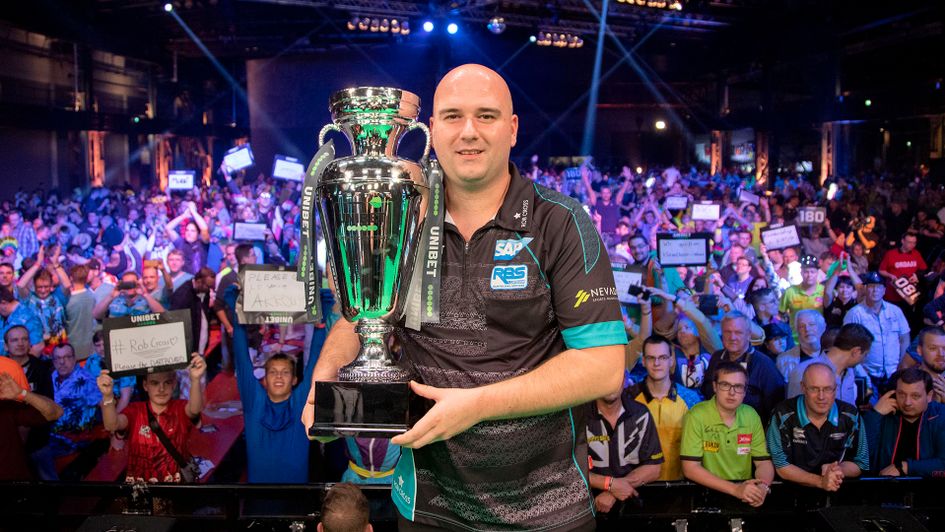
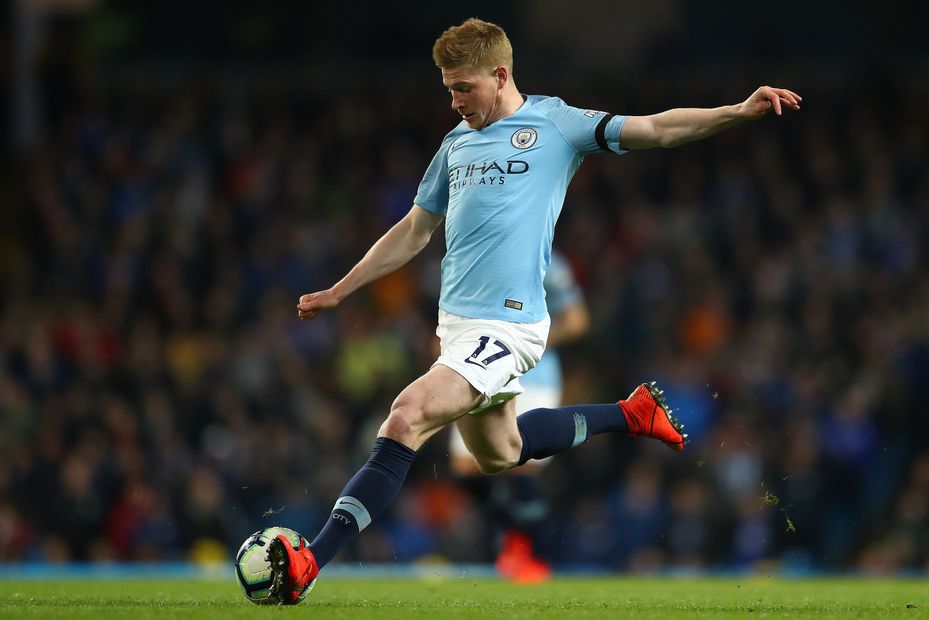
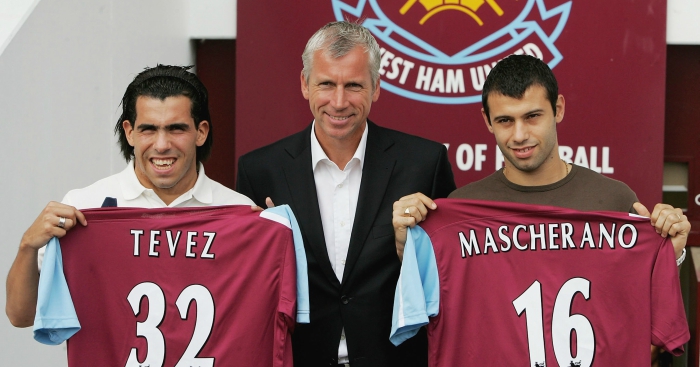
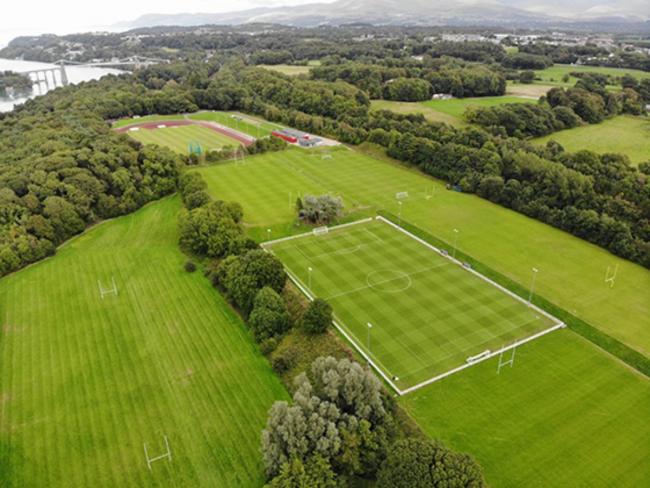
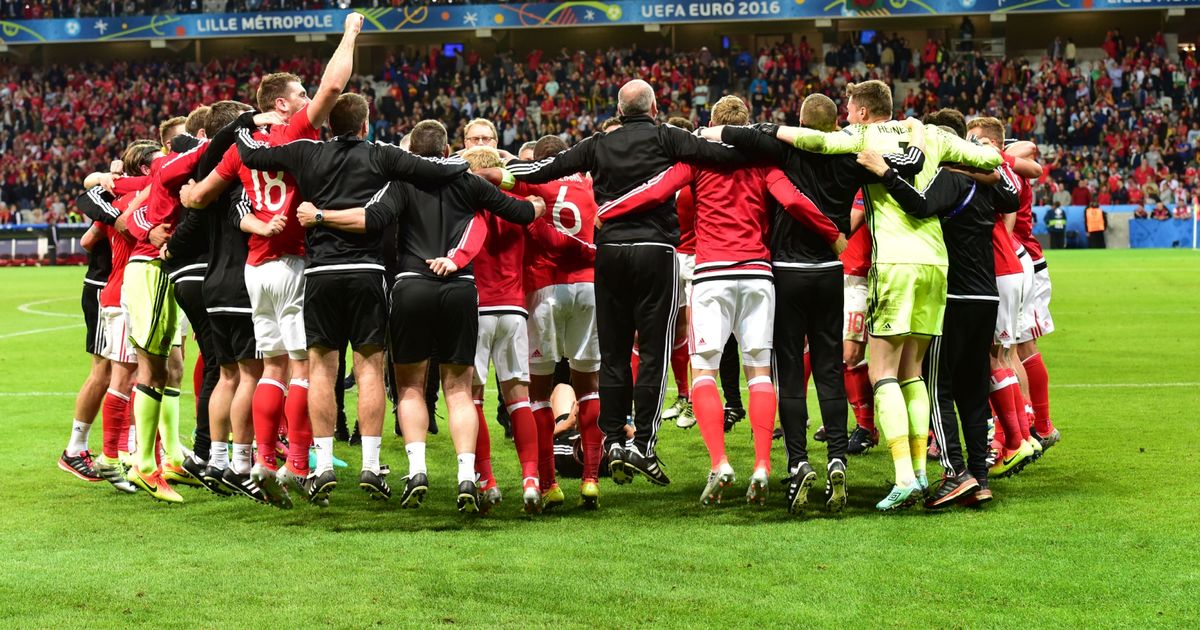
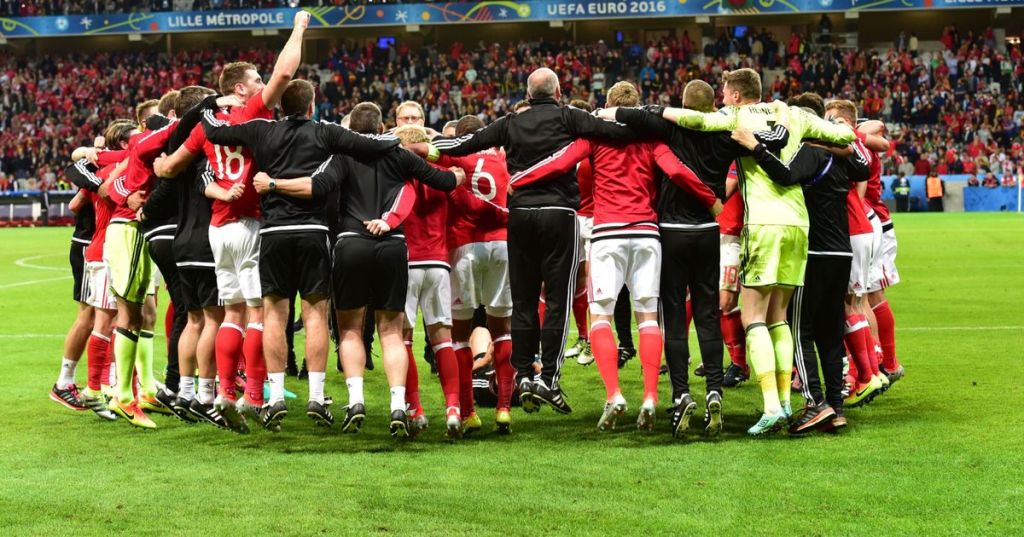
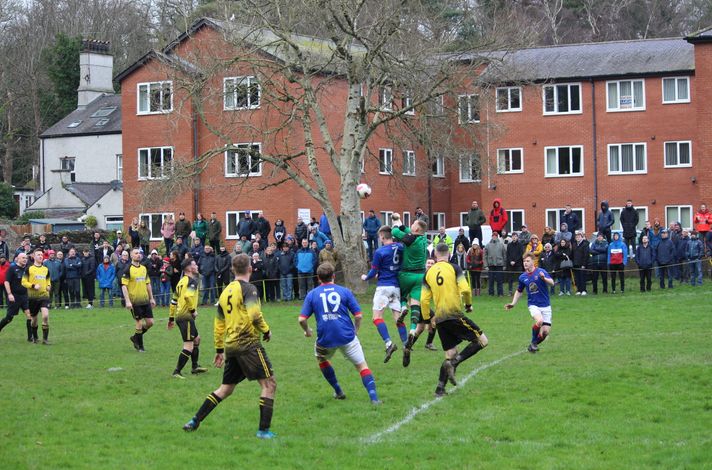
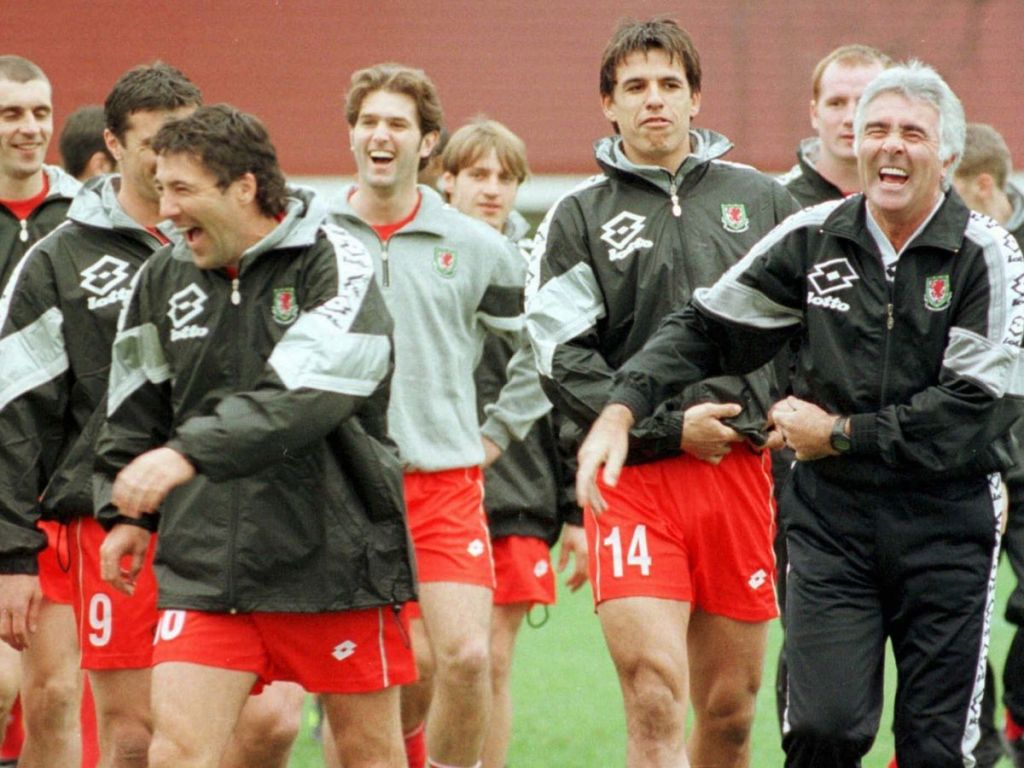
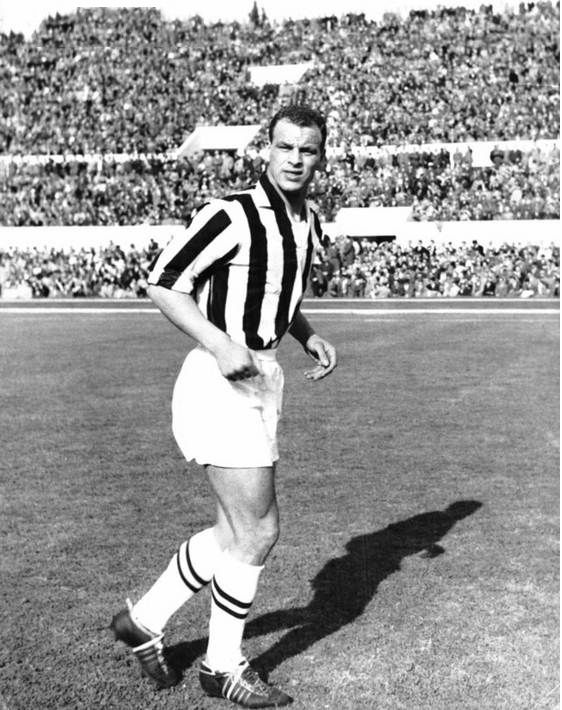
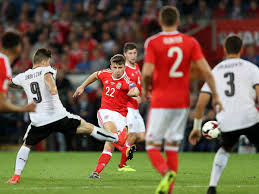
 Story of football in Wales and all over the world